
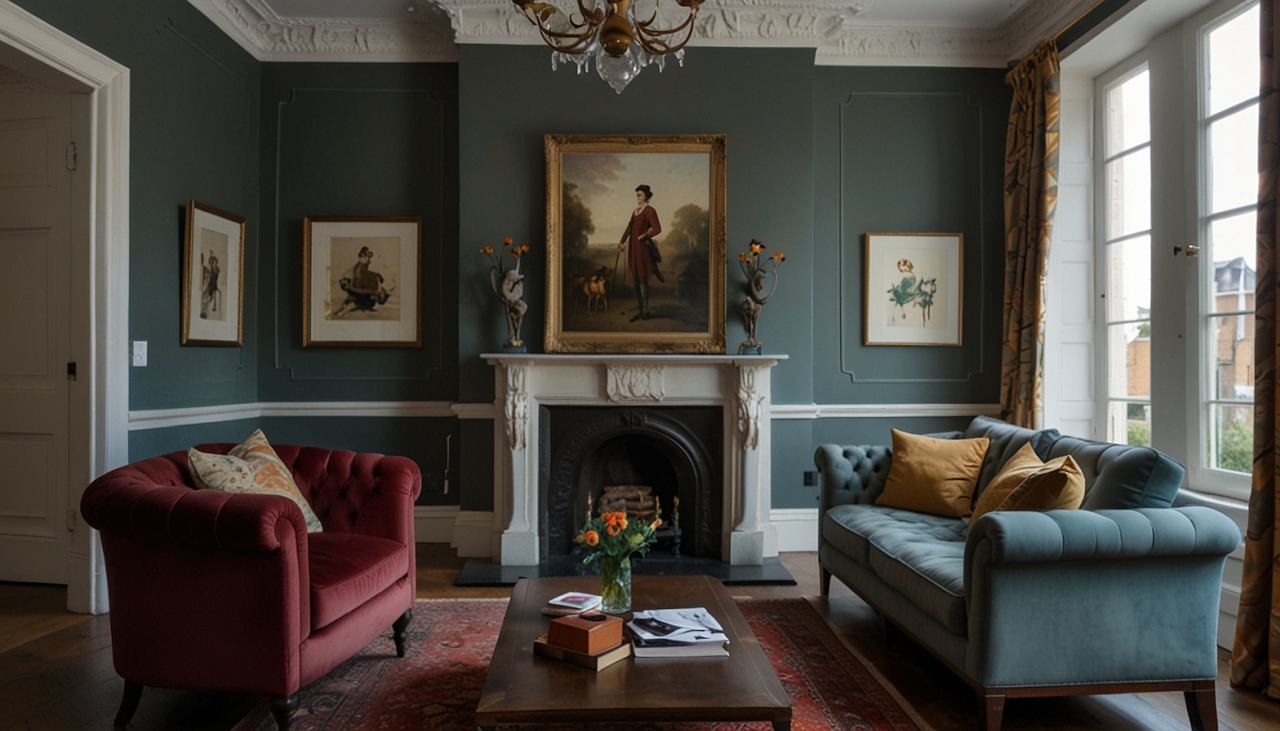
Restoring a Victorian home in London is a journey into the rich tapestry of British architectural history. These elegant residences, renowned for their ornate details and timeless appeal, present a unique challenge for modern renovators. The task is not merely to update the property but to enhance its historical essence while integrating contemporary comforts.
Victorian homes are characterized by their intricate woodwork, distinctive color palettes, and distinctive architectural features. Renovating these structures requires a careful balance between maintaining original characteristics and incorporating necessary upgrades. Preserving the charm of a Victorian home demands an appreciation for craftsmanship and a commitment to authenticity.
From restoring period-specific moldings to selecting appropriate materials that honor the home’s heritage, each decision plays a crucial role in the renovation process. Embracing the historical significance of these properties ensures that their unique character is celebrated and maintained for future generations to enjoy.
Renovating a Victorian Home in London
Renovating a Victorian home in London offers a unique challenge and opportunity to blend historic charm with modern conveniences. These period properties, characterized by their intricate details and classic architectural features, require a thoughtful approach to maintain their original character while updating them for contemporary living.
One of the key aspects of Victorian home renovation is preserving architectural elements such as ornate fireplaces, decorative moldings, and stained glass windows. Restoring these features not only enhances the aesthetic appeal but also upholds the historical integrity of the property. Engaging specialists skilled in period restoration can ensure that these details are meticulously preserved.
Modern updates, such as energy-efficient windows and upgraded plumbing, should be implemented with sensitivity to the home’s historical context. Balancing functionality with aesthetics is crucial to ensure that the home’s original charm is not compromised by necessary modernizations.
Additionally, it’s important to comply with local regulations and conservation guidelines that may apply to Victorian properties. Working with local authorities and heritage organizations can provide valuable guidance and help navigate any restrictions or requirements.
By carefully integrating modern amenities with classic design elements, homeowners can create a living space that honors the past while providing comfort and functionality for the present.
Essential Steps for Successful Renovation Projects
Embarking on a renovation project for a Victorian home in London requires careful planning and execution to ensure the preservation of its unique charm. Here are the essential steps to guide you through a successful renovation:
- Conduct a Thorough Inspection
Begin by assessing the current condition of the home. Identify any structural issues, such as damage to the foundation or roof, and check for any signs of dampness or pest infestations. This will help in planning the renovation work and prevent unexpected problems.
- Research Historical Details
Research the history of the home to understand its original design and features. This knowledge will guide you in making informed decisions about which elements to preserve or restore.
- Create a Detailed Plan
Develop a comprehensive renovation plan that includes design objectives, a budget, and a timeline. Clearly outline the scope of work, including any structural changes, restoration efforts, and updates to modern amenities.
- Hire Experienced Professionals
Engage contractors and specialists with experience in renovating historical properties. Their expertise will be invaluable in maintaining the authenticity of the home while implementing necessary updates.
- Obtain Necessary Permits
Ensure you have all the required permits and approvals before commencing work. This is particularly important for historical homes, where additional regulations may apply.
- Preserve Original Features
Carefully restore and preserve original architectural elements, such as moldings, fireplaces, and staircases. Use appropriate materials and techniques to maintain the home’s historical integrity.
- Focus on Energy Efficiency
Incorporate modern energy-efficient solutions, such as insulation and updated windows, to improve the home’s performance without compromising its historical character.
- Monitor Progress and Quality
Regularly inspect the work to ensure it aligns with your renovation plan and maintain high standards of quality. Address any issues promptly to avoid delays or additional costs.
- Finalize and Furnish
Once the renovation is complete, finalize any finishing touches and furnish the home in a manner that complements its Victorian style while incorporating modern comforts.
Preserving Authentic Charm in Historic Properties
Maintaining the authentic charm of historic properties requires a delicate balance between modern improvements and historical integrity. Here are some key considerations to preserve the unique character of your Victorian home:
- Research Historical Features: Investigate the original architectural details of your home. Understanding the design elements, materials, and construction methods used will guide you in making informed renovation decisions.
- Use Period-Appropriate Materials: Source materials that match the period of your home. This includes using traditional plaster, period-appropriate bricks, and original-style windows and doors.
- Restoration Over Replacement: Whenever possible, restore original features instead of replacing them. For example, repair existing woodwork, refurbish original fireplaces, and restore antique fixtures.
- Consult Preservation Experts: Engage with architects or contractors who specialize in historic renovations. Their expertise will ensure that your renovation work complies with preservation guidelines and maintains the home’s historical value.
- Maintain Original Layouts: Preserve the original floor plan and layout of your home. Making significant changes to the structure or layout can disrupt the historical continuity and authenticity of the property.
- Document Changes: Keep detailed records of any modifications or restorations made. This documentation will be valuable for future reference and for maintaining the historical accuracy of the home.
By carefully considering these aspects, you can successfully renovate your Victorian home while preserving its timeless charm and historical significance.
Top Design Tips for Victorian Style Interiors
Victorian interiors are renowned for their opulence and intricate details. To effectively renovate and preserve the charm of a Victorian home, consider the following design tips:
- Embrace Rich Colors: Opt for deep, saturated hues like emerald green, burgundy, and navy blue. These colors create a sense of warmth and sophistication typical of the Victorian era.
- Incorporate Ornate Details: Use decorative moldings, carved woodwork, and intricate plaster ceilings to capture the essence of Victorian craftsmanship.
- Choose Classic Furnishings: Select furniture with intricate carvings, velvet upholstery, and antique finishes. Look for pieces that reflect the grandeur and attention to detail of the period.
- Opt for Patterned Fabrics: Use rich fabrics with floral, damask, or paisley patterns for curtains, cushions, and upholstery. These patterns were popular in Victorian interiors and add depth to the space.
- Install Period Lighting: Incorporate chandeliers, sconces, and ornate lamps to enhance the elegance of your rooms. Crystal and brass fixtures are particu
Common Mistakes to Avoid During Renovation
Renovating a Victorian home can be a rewarding yet challenging endeavor. To ensure the preservation of its unique charm while achieving modern functionality, be mindful of the following common mistakes:
- Neglecting Historical Integrity: Failing to research and respect the original architectural elements can result in a loss of the home’s historical value. Always consult with preservation experts before making significant changes.
- Ignoring Structural Issues: Overlooking underlying structural problems can lead to more significant issues down the line. Conduct thorough inspections to address issues like foundation instability or wood rot early on.
- Choosing Incompatible Materials: Using modern materials that clash with the Victorian style can detract from the home’s charm. Opt for materials and finishes that complement the original design.
- Overlooking Energy Efficiency: While maintaining historical authenticity, incorporate energy-efficient upgrades where possible. Modernizing insulation and heating systems can enhance comfort without compromising aesthetics.
- Skipping Permits and Regulations: Failing to secure necessary permits or adhere to local regulations can result in fines or delays. Ensure all renovations comply with legal requirements.
- Underestimating Costs: Budgeting inadequately can lead to financial strain. Create a comprehensive budget that includes contingency funds for unexpected expenses.
- DIY Overreach: Attempting complex renovations without professional help can lead to subpar results. Engage experienced contractors for intricate tasks to ensure high-quality workmanship.