
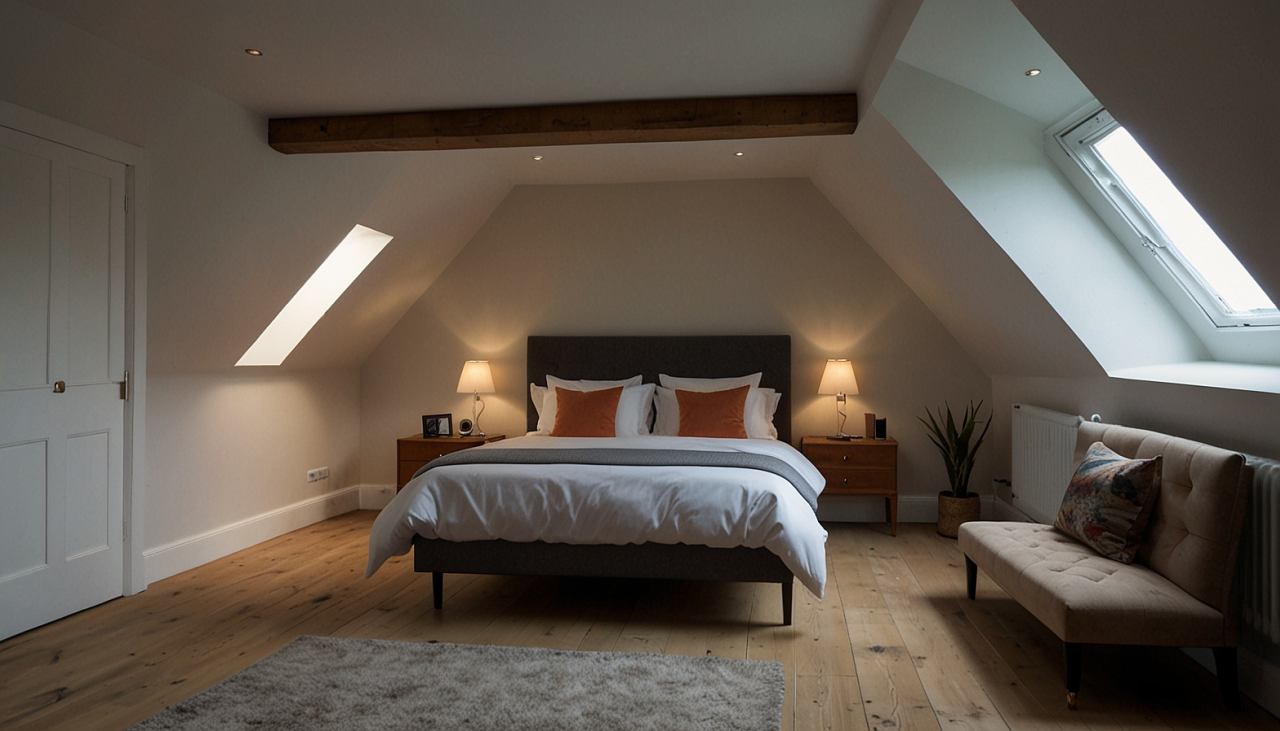
London’s historic charm is embedded in its architecture, where classic Victorian and Georgian houses define entire neighborhoods. However, with changing lifestyles and the need for more functional space, homeowners are increasingly looking to extend their traditional homes with modern designs. Balancing the old with the new presents unique challenges, but when done correctly, the results can be spectacular.
A modern extension can breathe new life into a period property, offering enhanced living spaces that complement the original architecture. The key to success lies in respecting the historical elements while introducing contemporary features that enhance functionality and aesthetic appeal. This delicate balance requires thoughtful planning and creative solutions.
From sleek glass structures that flood the interiors with natural light to minimalist designs that create seamless indoor-outdoor transitions, the possibilities are endless. Yet, each extension must be carefully tailored to the existing home, ensuring that the modern addition enhances rather than detracts from the building’s character.
Enhancing Traditional London Homes
London’s architectural heritage is rich with traditional homes that carry historical significance. Enhancing these properties while respecting their original character requires a delicate balance. Modern extensions offer an opportunity to improve functionality and increase living space without compromising the home’s charm.
Key elements such as sash windows and brick facades should be preserved to maintain the period aesthetics. At the same time, incorporating contemporary materials like glass and steel can introduce a contrast that highlights the original features. Thoughtful integration of modern design with traditional elements ensures the home remains both stylish and timeless.
When planning an enhancement, it’s essential to consider the overall cohesion of the old and new structures. This approach not only respects the home’s history but also creates a unique living space that meets today’s standards of comfort and efficiency.
Modern Extensions for Classic Architecture
Integrating modern extensions into classic architecture offers a unique opportunity to blend the past with the present. This approach allows homeowners to retain the character of their traditional properties while benefiting from contemporary design elements.
- Seamless Integration: Careful consideration of scale, proportion, and materials is essential to ensure the new addition complements the original structure.
- Contrasting Elements: A bold contrast between old and new can highlight the beauty of both eras. Glass, steel, and concrete are popular materials that juxtapose traditional brick or stone facades.
- Functional Spaces: Modern extensions often focus on open-plan living, maximizing natural light, and creating flexible spaces that cater to contemporary lifestyles.
- Preservation of Heritage: Respecting the original architecture while introducing modern features is key. This balance can be achieved by retaining key architectural details in the existing structure.
Ultimately, modern extensions to classic homes require a thoughtful design approach that honors the history of the property while enhancing its functionality and aesthetic appeal for today’s living.
Incorporating Contemporary Design Elements
When adding a modern extension to a traditional London home, it’s essential to blend contemporary design elements seamlessly with the existing architecture. Achieving this balance requires careful consideration of materials, forms, and interior finishes.
- Materials: Use glass, steel, and concrete to create contrast with the traditional brick and wood. Large glass panels allow natural light to flood the space, connecting the interior with the garden.
- Minimalist Forms: Opt for clean lines and simple shapes that contrast with the ornate details of the existing home. Flat roofs, sharp angles, and open-plan layouts are key features of modern design.
- Interior Finishes: Combine neutral colors with bold accents. Consider polished concrete floors, sleek cabinetry, and modern lighting fixtures that complement the historical features without overshadowing them.
By carefully integrating these contemporary elements, the extension can enhance the overall aesthetic of the home while preserving its traditional charm.
Balancing Heritage and Modernity in Extensions
Incorporating modern extensions into traditional London homes requires a careful approach to preserve the character of the original structure while embracing contemporary design. The challenge lies in ensuring the new addition complements the historic elements without overwhelming them.
Key factors to consider include the choice of materials, scale, and design continuity. Materials should resonate with the existing building, often opting for brick, stone, or timber that aligns with the home’s period. However, modern touches such as glass or steel can be introduced to create a striking contrast that enhances both old and new.
Maintaining proportionality is crucial. Extensions should not dominate the original structure but rather enhance its features. For instance, a single-story glass extension can provide additional space while allowing the original brickwork to remain the focal point.
Below is a comparison of traditional and modern elements in home extensions:
| Traditional Elements | Modern Elements |
|---|---|
| Brick or stone matching the original façade | Large glass panels for natural light |
| Symmetrical design reflecting the home’s era | Asymmetrical shapes creating visual interest |
| Timber-framed windows | Minimalist frames with sleek finishes |
Balancing these elements ensures that the extension not only provides functional space but also respects the heritage of the property.