
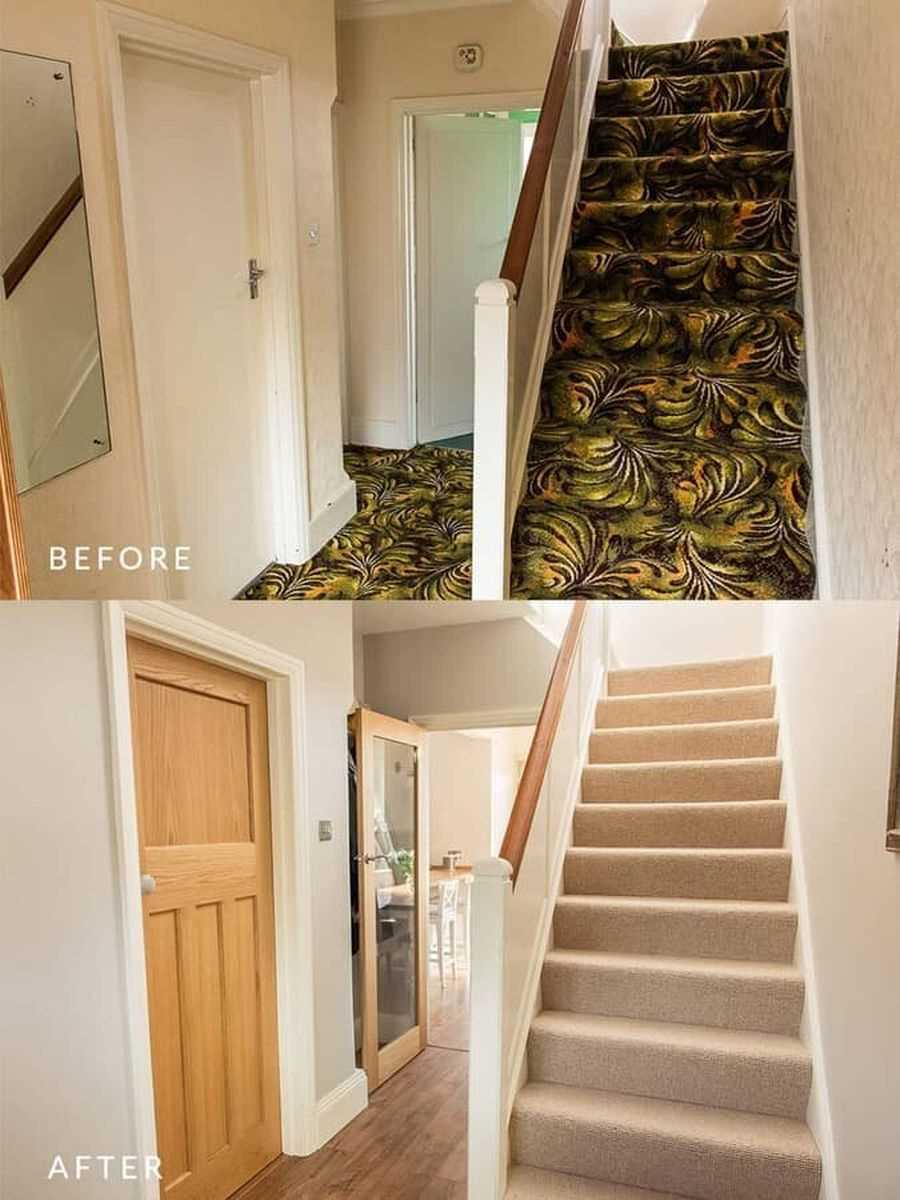
In the heart of London, the neighborhoods of Hammersmith and Fulham stand as beacons of classic elegance and timeless appeal. When it comes to traditional kitchen renovation in these areas, the challenge is to blend modern functionality with the enduring beauty of classic design. Homeowners seek to preserve the charm of yesteryears while accommodating contemporary needs.
These renovations often feature elements such as intricate woodwork, period-style cabinetry, and traditional fixtures that reflect the rich history of the area. The ultimate goal is to create a space that not only respects the architectural heritage but also serves as a practical and inviting hub for everyday living.
Traditional Kitchen Renovation Tips in Hammersmith
When renovating a traditional kitchen in Hammersmith, consider these essential tips to maintain classic charm while ensuring functionality:
- Choose Timeless Materials: Opt for natural materials like oak, marble, or granite. These materials not only add elegance but also stand the test of time.
- Focus on Custom Cabinets: Invest in custom cabinetry with intricate detailing. This enhances the classic look and provides ample storage space.
- Incorporate Classic Fixtures: Select traditional fixtures such as brass or bronze handles, and porcelain sinks to complement the overall aesthetic.
- Emphasize Warm Colors: Use warm, neutral colors for walls and cabinetry. Shades like cream, beige, or sage green contribute to a cozy, inviting atmosphere.
- Install a Classic Backsplash: Consider subway tiles or patterned ceramics for the backsplash. These timeless choices add both style and practicality.
- Focus on Lighting: Incorporate a mix of task and ambient lighting. Chandeliers or pendant lights with a classic design can serve as focal points while providing necessary illumination.
- Preserve Architectural Details: Maintain or restore any existing architectural features such as crown molding, paneling, or built-in shelving to enhance the traditional feel.
By carefully integrating these elements, you can achieve a beautifully renovated traditional kitchen that reflects the charm of Hammersmith’s historic character.
Classic Design Elements for Kitchen Remodel
When embarking on a traditional kitchen renovation, incorporating classic design elements can create a timeless appeal. Cabinetry is essential, often featuring raised-panel doors and ornate moldings that evoke a sense of elegance. Countertops made from materials like marble or granite offer durability and a sophisticated finish. For flooring, natural hardwood or classic subway tiles enhance the traditional look. Incorporate classic fixtures such as brass or bronze handles and farmhouse sinks to complete the renovation with an enduring charm. Lastly, color schemes featuring neutral tones like creams and whites can balance the aesthetic and create a cohesive, timeless kitchen space.
Choosing Authentic Materials for Classic Charm
When renovating a traditional kitchen, selecting authentic materials is crucial to achieving timeless elegance. Opt for classic materials like natural stone, such as granite or marble, for countertops and backsplashes. These materials not only offer durability but also a sophisticated look that enhances the kitchen’s charm. For flooring, consider solid wood or high-quality ceramic tiles that mimic traditional patterns. Incorporating elements like brass or copper fixtures can also add a touch of classic luxury. By choosing these materials, you ensure that the kitchen retains its authentic, classic appeal while providing lasting quality.
Benefits of Renovating with Traditional Style
Renovating with a traditional style offers numerous advantages that blend aesthetic appeal with practical benefits. One of the primary benefits is the timeless appeal of classic designs. Traditional styles, such as Victorian or Edwardian, never go out of fashion, ensuring that your renovation will remain stylish for years to come.
Another significant advantage is the increased property value. Traditional elements, like intricate woodwork and classic fixtures, often enhance the overall value of your home, making it more attractive to potential buyers.
Moreover, traditional renovations emphasize quality craftsmanship. The use of durable materials and attention to detail ensures a long-lasting result that can withstand the test of time, both in terms of aesthetics and functionality.
Additionally, renovating with traditional style often leads to a harmonious blend with the surrounding architecture. This approach ensures that the new design complements existing structures, maintaining the character and charm of the neighborhood.
Overall, choosing a traditional style for your renovation project combines enduring beauty with practical benefits, creating a home that is both elegant and functional.