
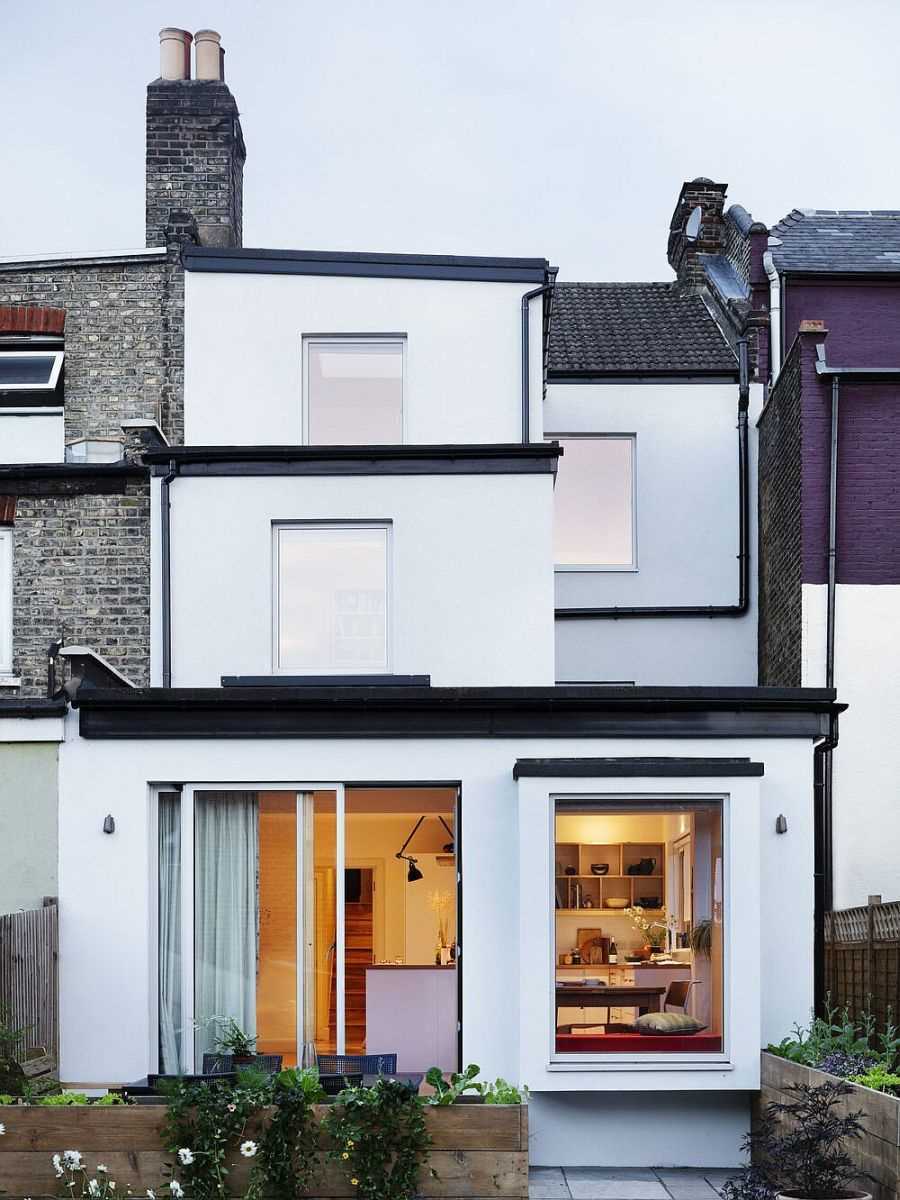
Waltham Forest, a borough rich in heritage and culture, is undergoing significant development. As urban growth continues, it is vital to focus on sustainable renovation practices that balance modernization with environmental responsibility. Integrating green technologies and eco-friendly materials into renovation projects not only preserves the character of local communities but also supports long-term environmental goals.
Sustainable building practices go beyond energy efficiency; they encompass the entire lifecycle of a building, from material sourcing to waste management. For Waltham Forest, adopting these principles can reduce the environmental footprint of new and renovated buildings, making them more resilient and adaptable to future challenges. Homeowners, developers, and local authorities play a crucial role in driving this transformation.
This guide explores key sustainable renovation practices specifically tailored for Waltham Forest. It covers innovative building materials, energy-efficient solutions, and strategies for reducing waste and pollution during the renovation process. By prioritizing sustainability, the community can ensure that its development is both forward-thinking and environmentally responsible.
Innovative Sustainable Building Techniques in Waltham Forest Renovations
Waltham Forest’s commitment to sustainability is driving the adoption of innovative techniques in building renovations. These methods emphasize energy efficiency, reduced waste, and eco-friendly materials, ensuring both environmental and economic benefits.
- Passive House Standards: The use of advanced insulation, airtight construction, and heat recovery systems helps minimize energy consumption.
- Green Roofs: Vegetated roofs not only enhance insulation but also improve biodiversity and manage stormwater runoff.
- Low-Carbon Materials: Materials such as recycled steel, sustainably sourced timber, and low-emission concrete are prioritized in renovations.
- Water Conservation Systems: Integration of rainwater harvesting and greywater recycling reduces water use and supports local sustainability goals.
- Solar Integration: Photovoltaic panels are increasingly installed, enabling buildings to produce clean energy and reduce reliance on the grid.
These techniques are transforming Waltham Forest into a model for sustainable urban living, setting standards for other communities aiming for greener futures.
Energy-Efficient Solutions for Eco-Friendly Home Upgrades
Upgrading your home with energy-efficient solutions reduces environmental impact and lowers energy costs. Here are key approaches for eco-friendly renovations:
Insulation Enhancements:
Improve wall, roof, and floor insulation to reduce heat loss. Eco-friendly materials like sheep wool, recycled cellulose, and hemp offer excellent thermal properties and are sustainable alternatives.
Double or Triple Glazing:
Upgrade to double or triple-glazed windows to minimize heat loss and reduce noise pollution. Opt for low-emissivity (Low-E) glass for better insulation and energy savings.
Solar Energy Systems:
Install photovoltaic panels to generate renewable energy and reduce reliance on the grid. Solar thermal systems can also be used for water heating, providing additional energy savings.
Energy-Efficient Heating and Cooling:
Replace traditional systems with high-efficiency heat pumps or underfloor heating, which use less energy while maintaining comfortable indoor temperatures.
Smart Energy Management:
Integrate smart thermostats and energy monitoring systems to optimize energy usage based on real-time data. This helps reduce waste and enhances overall efficiency.
LED Lighting:
Switch to LED lighting for all fixtures. LEDs consume significantly less energy and have a longer lifespan compared to traditional incandescent bulbs.
Incorporating these energy-efficient upgrades will not only contribute to a more sustainable home but also lead to long-term cost savings and a reduced carbon footprint.
Environmentally Conscious Material Choices for Renovation Projects
Incorporating sustainable materials is key to reducing the environmental impact of renovation projects in Waltham Forest. Selecting eco-friendly options can enhance energy efficiency, reduce waste, and support local economies. Here are some sustainable material choices to consider:
- Reclaimed Wood: Recycled timber from old buildings or construction sites provides a rustic look while reducing the demand for new wood, lowering deforestation rates.
- Bamboo: Fast-growing and highly renewable, bamboo is a durable alternative to traditional hardwood, suitable for flooring and paneling.
- Cork: Harvested from cork oak trees without harming them, cork is an excellent choice for flooring and insulation due to its thermal properties and renewability.
- Recycled Metal: Using recycled steel or aluminum minimizes the energy-intensive processes involved in mining and refining raw materials, making it a greener option for structural elements.
- Low-VOC Paints: Volatile Organic Compounds (VOCs) in conventional paints contribute to indoor air pollution. Opt for low-VOC or natural paints to create healthier indoor environments.
- Insulation from Natural Fibers: Materials like sheep’s wool, hemp, and cellulose offer effective insulation with a lower environmental footprint compared to synthetic alternatives.
By prioritizing these sustainable material choices, renovation projects can contribute to a greener, more resilient built environment in Waltham Forest.
Reducing Waste Through Smart Construction Methods
Implementing smart construction methods is crucial in minimizing waste during renovations. Techniques such as precise material estimation and modular construction help ensure resources are utilized efficiently. By accurately assessing the required materials, builders can avoid over-ordering, reducing surplus waste.
Off-site prefabrication is another effective strategy. It involves constructing elements in a controlled environment, leading to more accurate builds and fewer errors. This reduces the likelihood of on-site waste generation.
Using recyclable materials and promoting circular construction ensures that any leftover materials are repurposed or reused. Additionally, waste segregation during demolition and construction phases facilitates better recycling and disposal processes.
Adopting these practices not only contributes to sustainability but also lowers renovation costs by optimizing material use and reducing waste-related expenses.
Long-Term Benefits of Sustainable Renovation Practices in Waltham Forest
Sustainable renovation practices offer significant long-term benefits for homeowners and the broader community in Waltham Forest. By integrating energy-efficient technologies and eco-friendly materials, properties can reduce energy consumption, resulting in lower utility bills and a smaller carbon footprint. In the long run, these cost savings outweigh the initial investment, making green renovations economically advantageous.
Moreover, sustainable buildings are more resilient and require less maintenance. Using durable, non-toxic materials reduces the need for frequent repairs and replacements. Homes that prioritize natural lighting, improved insulation, and effective ventilation systems also create healthier living environments, which positively impacts residents’ well-being.
Environmentally conscious renovations contribute to increased property value, as demand for energy-efficient homes continues to grow. The shift towards sustainability aligns with government incentives and regulatory changes, ensuring compliance and future-proofing properties against potential restrictions.
For Waltham Forest, embracing sustainable renovation practices helps preserve the character of its neighborhoods while promoting environmental stewardship. This holistic approach to renovation not only enhances individual homes but also supports the community’s transition toward a greener, more sustainable future.