
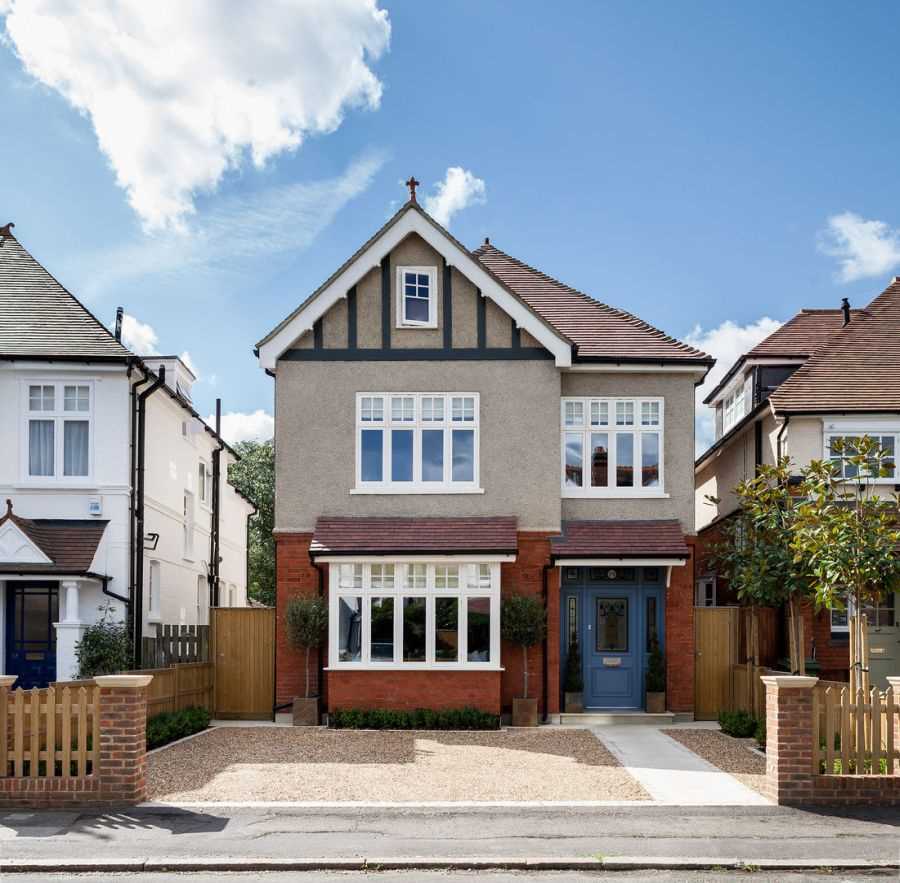
In the heart of London, where tradition meets modernity, integrating smart home technology into your renovation project can transform your living space into a haven of convenience and efficiency. Embracing these advancements not only enhances comfort but also optimizes energy usage and elevates security, aligning perfectly with the fast-paced urban lifestyle.
The ultimate goal of incorporating smart technology is to create a seamless, intuitive experience. From intelligent lighting systems to automated climate control, each element is designed to adapt to your preferences, making daily routines smoother and more enjoyable.
As you delve into the possibilities, consider how smart solutions can complement the aesthetics of your renovation. Combining cutting-edge tech with stylish design elements ensures that functionality does not compromise on elegance, making your home not just smart, but also sophisticated.
Ultimate Guide to Smart Home Technology Integration
Integrating smart home technology into your London renovation can transform your living space into a highly efficient, connected environment. The ultimate guide to smart home technology integration involves several key components and considerations.
First, evaluate your needs and priorities. Do you want to focus on security, energy efficiency, or convenience? This assessment will guide your choice of devices and systems.
Next, consider the following smart home categories:
| Category | Description | Examples |
|---|---|---|
| Security | Enhances the safety of your home with surveillance and alarm systems. | Smart cameras, smart locks, motion sensors |
| Energy Management | Improves energy efficiency through smart control of heating and lighting. | Smart thermostats, smart lights, energy monitors |
| Convenience | Automates daily tasks and provides remote control over home systems. | Smart speakers, smart plugs, home assistants |
Choosing the right ecosystem is crucial. Popular ecosystems include Google Home, Amazon Alexa, and Apple HomeKit. Ensure that the devices you select are compatible with your chosen ecosystem for seamless integration.
Finally, plan for installation and configuration. Some systems may require professional installation, while others can be set up independently. Proper installation ensures optimal performance and security.
By following these steps, you can successfully integrate smart home technology into your renovation, creating a modern, efficient, and connected living space.
Benefits of Smart Home Systems for London Homes
Smart home systems offer a range of benefits tailored to the needs of London homeowners. From enhanced security to energy efficiency, these systems are designed to improve both convenience and lifestyle. Here are some key advantages:
| Benefit | Description |
|---|---|
| Enhanced Security | Smart home systems provide advanced security features such as smart locks, surveillance cameras, and motion detectors, allowing homeowners to monitor their property remotely and receive real-time alerts. |
| Energy Efficiency | Automated lighting, heating, and cooling systems help reduce energy consumption by adjusting settings based on occupancy and time of day, which can lead to significant savings on utility bills. |
| Increased Convenience | Home automation allows for the remote control of various household functions via smartphone apps or voice commands, streamlining daily tasks and enhancing overall comfort. |
| Improved Home Value | Integrating smart home technology can increase the market value of a property by appealing to tech-savvy buyers who prioritize modern, efficient living environments. |
| Personalized Experience | Smart systems can learn from user habits and preferences to offer personalized settings and automation, such as adjusting lighting and temperature based on individual routines. |
How to Choose Smart Devices for Your Renovation
Choosing the right smart devices for your renovation involves several key considerations. First, assess your specific needs and lifestyle to determine which devices will provide the most benefit. Consider factors like energy efficiency, compatibility with existing systems, and ease of use.
Next, prioritize devices that offer integration with popular smart home ecosystems such as Google Assistant, Amazon Alexa, or Apple HomeKit. This ensures seamless control and automation of your home.
Finally, evaluate the security features of each device. Ensure they provide robust protection against potential vulnerabilities and unauthorized access.
| Device Type | Considerations |
|---|---|
| Smart Thermostats | Energy savings, integration with HVAC systems, remote control |
| Smart Lighting | Compatibility with existing bulbs, color options, scheduling |
| Smart Security Systems | Camera resolution, motion detection, alarm integration |
| Smart Speakers | Voice assistant compatibility, sound quality, connectivity |
Integrating Smart Technology with Traditional Interiors
Blending smart technology with traditional interiors can enhance comfort and functionality while preserving classic aesthetics. Here’s how to achieve a seamless integration:
- Smart Lighting: Choose smart bulbs that mimic the warmth of traditional lighting. Use dimmable options to adjust brightness and create different moods without altering the room’s classic look.
- Hidden Tech: Incorporate technology discreetly. Install smart speakers or sensors in areas where they won’t disrupt the traditional decor, such as inside built-in cabinetry or behind furniture.
- Classic Design Elements: Select smart devices with a design that complements traditional interiors. Opt for products with neutral finishes or those that can be hidden behind antique-style covers.
- Integrated Controls: Use smart home hubs that blend with the existing decor. Control systems should be seamlessly integrated into the traditional style of your home, perhaps with custom panels or remote controls that match the decor.
- Retro-Inspired Technology: Choose technology that has a retro or vintage look. Some smart devices are designed to resemble traditional fixtures, offering modern functionality without clashing with classic styles.
- Automated Curtains and Blinds: Install smart curtains or blinds that can be controlled remotely. Select fabrics and designs that align with traditional window treatments to maintain the aesthetic while adding modern convenience.
- Custom Solutions: Work with professionals who can create custom smart home solutions tailored to your traditional decor. This can include custom enclosures for technology or bespoke design elements that blend seamlessly with your interior.
By carefully selecting and placing smart technology, you can enjoy the benefits of modern innovations while preserving the charm and elegance of traditional interiors.
Top Tips for Seamless Smart Home Installation
Plan Your Layout: Before diving into installation, carefully plan your home’s layout. Ensure that all smart devices will have strong and reliable connectivity.
Choose Compatible Devices: Delve into compatibility to ensure that your smart devices work well with each other and with your home’s existing systems.
Install a Central Hub: For ultimate control, consider installing a central hub that can manage all your smart devices from one platform.
Professional Assessment: Consult with a professional to evaluate your home’s infrastructure. This can help in identifying any potential issues that might affect installation.
Prioritize Security: Implement robust security measures to protect your smart home network from potential threats.
Test Thoroughly: Once installed, test all devices thoroughly to ensure they operate seamlessly and address any issues promptly.