
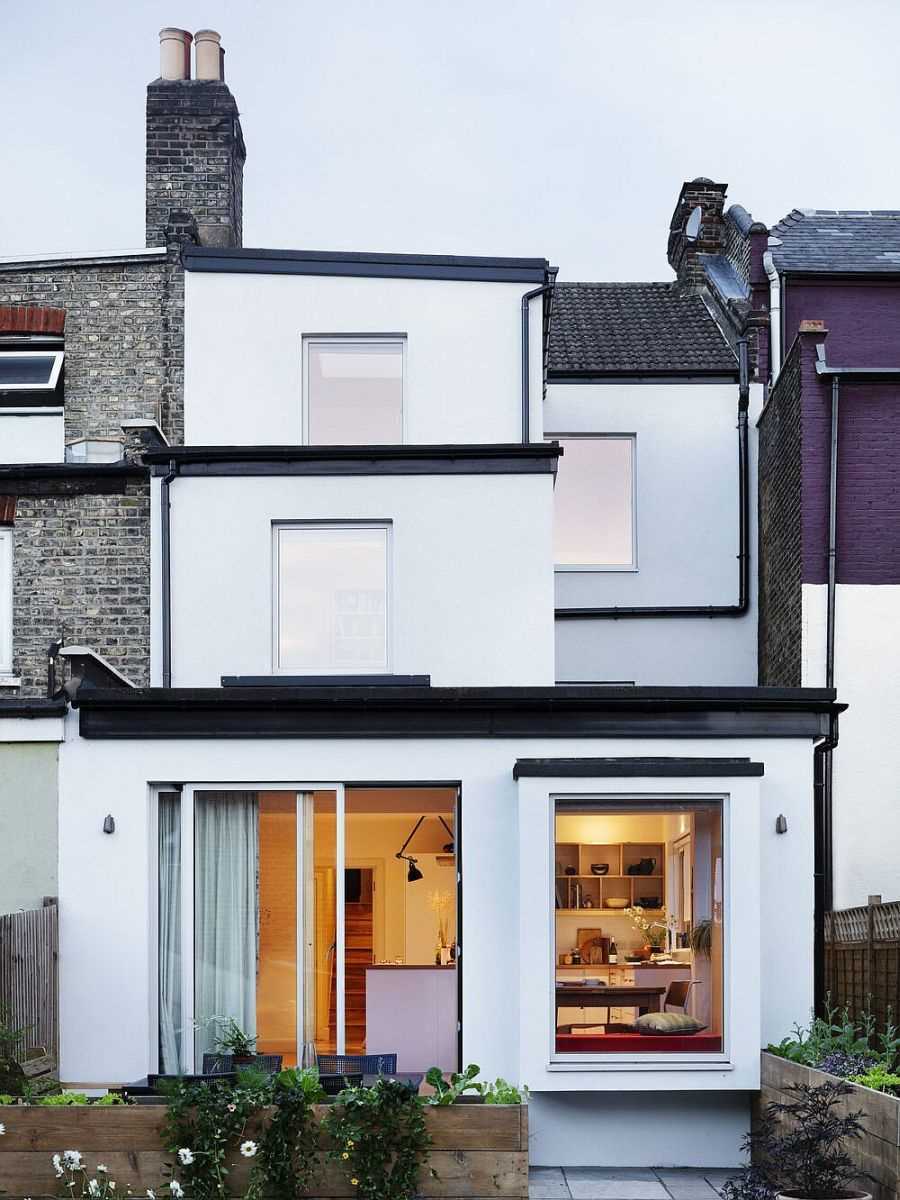
Reclaimed wood is more than just a design trend; it’s a statement of sustainability and craftsmanship that adds unparalleled character to any renovation. In the vibrant area of Southwark, where historic charm meets contemporary urban living, incorporating reclaimed wood can elevate your renovation project to new heights. This unique material not only brings a sense of history and authenticity but also contributes to environmentally-friendly building practices.
Southwark’s rich architectural heritage makes reclaimed wood an ideal choice for renovations, as it complements both traditional and modern aesthetics. From rustic floorboards salvaged from old warehouses to elegant wooden beams recovered from ancient structures, each piece of reclaimed wood carries its own story and charm. By integrating these elements into your design, you preserve the past while creating a warm, inviting space for the future.
Choosing reclaimed wood for your Southwark renovation is a way to honor the area’s historical legacy while making a sustainable choice. This material not only reduces waste but also minimizes the environmental impact associated with new lumber production. Embrace the timeless appeal of reclaimed wood and transform your renovation into a unique blend of history and modernity.
ChatGPT4o mini
Advantages of Using Reclaimed Wood in Renovations
Reclaimed wood offers numerous benefits for home renovations, making it a popular choice among homeowners and designers alike. Below are some of the key advantages:
| Advantage | Description |
|---|---|
| Environmental Impact | Using reclaimed wood helps reduce deforestation and the demand for new lumber, thus lowering the overall environmental impact. It promotes sustainable practices by reusing existing materials. |
| Unique Aesthetics | Reclaimed wood often has unique characteristics, such as weathered textures and historical markings, that add distinct charm and character to any space. |
| Durability | Older wood tends to be denser and more durable than newer lumber. This longevity makes reclaimed wood a robust choice for flooring, furniture, and other high-traffic areas. |
| Cost-Effectiveness | Reclaimed wood can be more cost-effective than purchasing new high-quality wood, especially when considering its unique qualities and the reduction in processing costs. |
| Historical Value | Reclaimed wood often carries historical significance, adding a sense of heritage and storytelling to a renovation project. |
How Reclaimed Wood Enhances Southwark Home Design
Reclaimed wood offers a unique charm and character that can significantly enhance the design of homes in Southwark. This material, sourced from old buildings and structures, brings a sense of history and authenticity to modern interiors.
Texture and Warmth: Reclaimed wood often features natural imperfections, such as knots and weathered surfaces, which add depth and warmth to home interiors. This textured quality contrasts beautifully with contemporary design elements, creating a visually interesting and inviting space.
Environmental Benefits: Using reclaimed wood is an eco-friendly choice that aligns with sustainable design principles. By repurposing existing materials, homeowners contribute to reducing the demand for new timber and minimizing waste, which is particularly significant in the urban setting of Southwark.
Historical Connection: Southwark is a historic area with a rich architectural heritage. Reclaimed wood can echo this local history, incorporating elements from old warehouses, factories, or historic buildings into modern homes. This connection to the past adds a layer of cultural significance and storytelling to the design.
Versatility: Reclaimed wood is versatile and can be used in various ways, from flooring and wall panels to custom furniture and accents. Its adaptability allows homeowners to integrate it seamlessly into different design styles, whether they prefer rustic, industrial, or contemporary aesthetics.
Incorporating reclaimed wood into Southwark home designs not only enhances aesthetic appeal but also supports sustainable practices and preserves the area’s historical essence.
Key Considerations for Choosing Reclaimed Wood
When selecting reclaimed wood for your Southwark renovation, several factors should be taken into account to ensure you make the best choice for your project:
- Condition: Inspect the wood for any signs of damage such as rot, insect infestations, or warping. Ensure it has been properly treated and restored.
- Source: Understand where the reclaimed wood originates from. Wood from old buildings or barns often has unique character and history, but its condition and treatment will vary.
- Type of Wood: Different types of wood have varying characteristics and durability. Choose a wood type that fits your specific needs and desired aesthetic.
- Finish: Consider the finish and how it will affect the wood’s appearance. Reclaimed wood may have a natural patina that adds character but might require additional finishing to meet your design preferences.
- Environmental Impact: Reclaimed wood is eco-friendly, but ensure it has been sourced sustainably and that its use aligns with your environmental goals.
- Cost: Reclaimed wood can be more expensive than new wood due to its rarity and processing. Factor this into your budget and weigh it against the value it adds to your project.
- Compatibility: Ensure the reclaimed wood fits with other materials and design elements in your renovation. It should complement your overall aesthetic and functional requirements.
Maintenance Tips for Reclaimed Wood Surfaces
Reclaimed wood surfaces can add unique charm and character to any renovation project. However, maintaining their beauty and functionality requires some care. Here are essential tips for keeping your reclaimed wood surfaces in excellent condition:
| Tip | Description |
|---|---|
| Regular Cleaning | Dust reclaimed wood surfaces frequently using a soft, dry cloth. For deeper cleaning, use a slightly damp cloth and a mild wood cleaner. Avoid excessive moisture, which can damage the wood. |
| Use Protective Finishes | Apply a high-quality wood finish or sealant to protect the surface from spills, stains, and wear. Choose a product specifically designed for reclaimed wood to maintain its appearance and durability. |
| Avoid Harsh Chemicals | Do not use harsh chemicals or abrasive cleaners on reclaimed wood. These can strip away natural oils and finishes, leading to damage and discoloration. |
| Control Humidity | Maintain a consistent indoor humidity level to prevent the wood from expanding or contracting. Excessive moisture can cause warping, while low humidity can lead to cracking. |
| Repair Damage Promptly | Address any scratches, dents, or other damage as soon as possible. Minor issues can often be repaired with wood filler or touch-up paint, while more significant damage may require professional attention. |
| Protect from Direct Sunlight | Keep reclaimed wood surfaces away from direct sunlight to prevent fading and uneven aging. Use window coverings or UV-protective treatments if the wood is exposed to sunlight regularly. |