
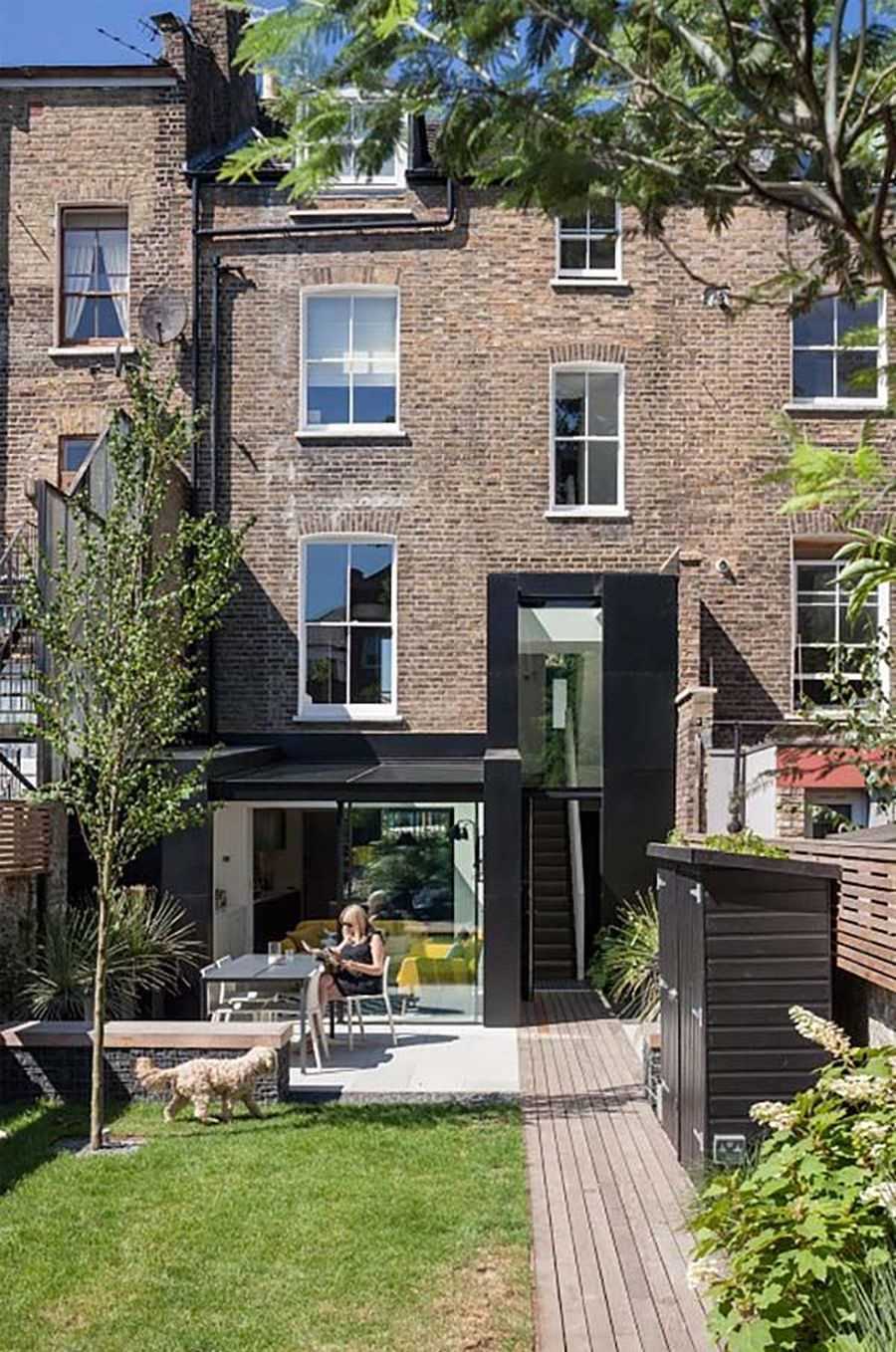
Transforming your home into a more spacious and light-filled sanctuary can be a rewarding experience. For many homeowners in Greenwich, a home extension offers the perfect solution to achieve this goal. By thoughtfully expanding your living space, you not only enhance the functionality of your home but also create an environment that feels open, airy, and connected to the outdoors.
A well-designed extension can seamlessly blend with the existing architecture, preserving the character of your home while adding a modern touch. By incorporating large windows, skylights, and open-plan layouts, you can flood your new space with natural light, making it a bright and inviting area for family and friends to enjoy.
This article explores the key considerations for creating a successful home extension in Greenwich, from choosing the right materials to optimizing the layout for maximum light and space. Whether you’re planning a small addition or a significant expansion, these insights will help you design a living area that truly enhances your home.
Greenwich Home Extension: Maximizing Space and Natural Light
Optimizing space and natural light in your Greenwich home extension requires careful planning and design. Here are key strategies to achieve a spacious and bright living area:
- Open-Plan Layout: Removing unnecessary walls to create a seamless flow between rooms enhances the sense of space.
- Large Windows: Installing floor-to-ceiling windows allows for maximum natural light, reducing the need for artificial lighting during the day.
- Skylights: Incorporating skylights in the ceiling introduces additional light into central areas that may lack direct access to windows.
- Glass Doors: Using glass doors, particularly in connecting indoor and outdoor spaces, creates a continuous visual line that extends the living area.
- Light Colors: Opting for a light color palette for walls and furnishings helps to reflect light, making rooms appear larger and more open.
- Mirrors: Strategically placing mirrors can amplify the light in a room and create the illusion of additional space.
By focusing on these design elements, you can transform your Greenwich home extension into a bright and expansive living area that feels both modern and inviting.
Innovative Design Solutions for Modern Greenwich Homes
Greenwich homes demand a blend of tradition and modernity, pushing designers to explore creative solutions that enhance both functionality and aesthetics. These innovative design strategies are key to transforming typical residences into dynamic living spaces.
One effective approach is the integration of multi-purpose rooms, allowing flexibility in how spaces are used. Another trend is the use of large glass panels and sliding doors, which seamlessly connect indoor and outdoor areas, maximizing natural light.
Additionally, sustainable materials and energy-efficient systems are increasingly popular, ensuring that homes are environmentally friendly while maintaining a contemporary look. Below is a summary of key design solutions often implemented in Greenwich homes:
| Design Solution | Benefits |
|---|---|
| Multi-purpose Rooms | Adaptable to various functions, increasing usability |
| Large Glass Panels | Enhance natural light and provide a connection to nature |
| Sustainable Materials | Eco-friendly, long-lasting, and aesthetically pleasing |
| Energy-efficient Systems | Reduce energy costs while supporting modern design |
How to Seamlessly Blend Old and New Architecture
Successfully merging old and new architecture requires a thoughtful approach to maintain the character of the original structure while introducing modern elements. Here are key strategies to achieve a harmonious blend:
- Respect the Original Design: Identify and preserve key architectural features of the existing building that define its character.
- Complementary Materials: Choose materials for the new addition that complement the old, such as using similar textures or colors.
- Subtle Transitions: Create smooth transitions between old and new areas with design elements like consistent flooring or connecting spaces with large openings.
- Modern Insertion: Introduce contemporary design elements, like minimalist lines or open-plan layouts, in a way that contrasts yet complements the original style.
- Lighting Integration: Use lighting strategically to highlight both the old and new features, ensuring the entire space feels cohesive and well-lit.
By following these principles, you can create a living space that feels both timeless and modern, offering the best of both architectural worlds.
Enhancing Your Living Area with Strategic Layout Choices
Maximizing space efficiency and visual appeal begins with a thoughtful approach to layout. Consider how different zones within the room interact and flow together. Open floor plans encourage natural light to permeate throughout, while strategically placed furniture can define specific areas without the need for walls.
Flexibility is key; choose furniture that serves multiple purposes, like a sofa that doubles as a guest bed or a coffee table with storage underneath. By doing so, you maintain a spacious feel without sacrificing functionality.
| Layout Strategy | Benefits |
|---|---|
| Open Floor Plan | Maximizes light and creates a sense of space |
| Multi-Functional Furniture | Increases flexibility and storage |
| Defined Zones | Enhances organization without walls |
Eco-Friendly Materials for Sustainable Home Extensions
When planning a home extension, selecting eco-friendly materials is crucial for achieving sustainability. Opting for materials with a low environmental impact can significantly enhance the energy efficiency and overall performance of your extension. Recycled materials, such as reclaimed wood and recycled metal, are excellent choices that reduce waste and lower the carbon footprint of construction. Additionally, incorporating natural materials like bamboo and cork provides a renewable option that grows quickly and requires less energy to process.
Insulation materials also play a vital role in creating a sustainable home. Options like cellulose insulation, made from recycled paper, or sheep’s wool offer excellent thermal performance and minimize the need for synthetic products. Furthermore, using low-VOC (volatile organic compounds) paints and finishes ensures healthier indoor air quality by reducing harmful emissions.
Incorporating these eco-friendly materials not only supports environmental conservation but also contributes to a healthier living environment. By making informed material choices, homeowners can achieve a stylish, functional, and sustainable home extension that aligns with green building practices.