
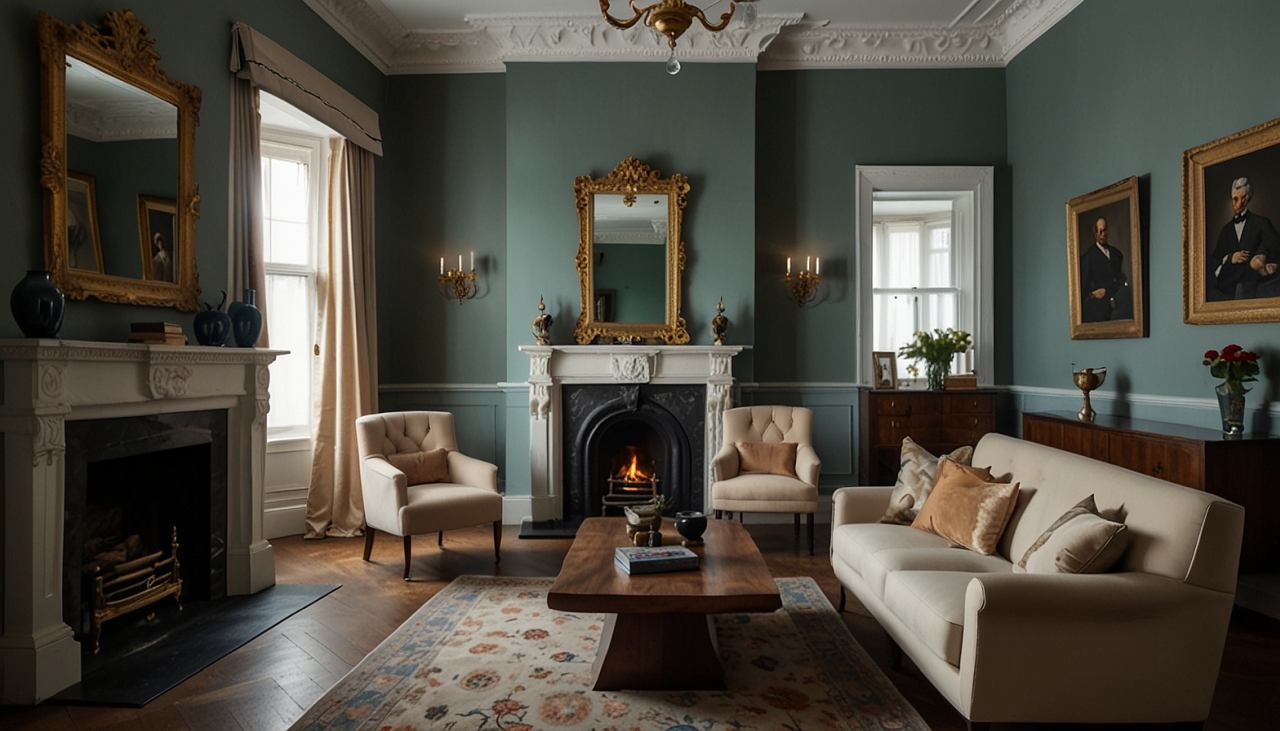
Transforming your London basement into a home cinema offers a unique opportunity to bring the magic of the big screen into the comfort of your own home. With the right planning and design, your basement can become a luxurious space for immersive movie experiences, family gatherings, or an exclusive entertainment area.
The process of creating a home cinema in a basement presents distinct challenges, particularly in a city like London where space is often limited. However, with careful consideration of key elements such as acoustics, lighting, and seating arrangements, even a compact basement can be converted into a stunning home theater that rivals any commercial cinema.
This guide will explore the essential steps to designing and building a home cinema in your London basement, from initial planning to the final touches that will make your cinema a true reflection of your personal style and preferences. Whether you’re an avid film enthusiast or simply looking to enhance your home, a basement cinema offers an unparalleled entertainment experience.
How to Transform Your London Basement into a Home Cinema
Turning your London basement into a home cinema requires careful planning and attention to detail. First, evaluate the space to ensure it can accommodate a projector or large television, seating, and sound system. Measure the dimensions and consider the ceiling height to determine the optimal screen size and speaker placement.
Next, focus on soundproofing. Basements often have concrete walls, which can cause sound to echo. Adding acoustic panels or thick curtains can improve sound quality and reduce noise leakage to other parts of the house. Installing a soundproof door is also recommended.
Lighting control is crucial for a home cinema. Install dimmed or blackout lighting to create the perfect viewing environment. Consider recessed lighting or LED strips to enhance the ambiance without causing screen glare.
Choose comfortable seating that fits your basement’s layout. Opt for reclining chairs or sofas with built-in cup holders and storage for an authentic cinema experience. Arrange the seating to ensure everyone has an unobstructed view of the screen.
Finally, integrate smart home technology to control lighting, sound, and the projector or TV with a single device. This adds convenience and a modern touch to your home cinema setup.
Essential Equipment for a Basement Home Theater
To create the ultimate basement home theater, you need to invest in essential equipment that enhances both audio and visual experiences. The following items are crucial for a high-quality setup.
Projector or Large Screen TV: The centerpiece of any home theater is the display. A high-resolution 4K projector with HDR capabilities or a large screen TV ensures a cinematic experience. Consider the size of your basement and the desired screen size when choosing.
Surround Sound System: For immersive audio, a 5.1 or 7.1 surround sound system is ideal. This setup typically includes multiple speakers and a subwoofer, strategically placed to create a rich, dynamic sound environment.
Receiver: The AV receiver is the hub that connects all your audio and video equipment. It processes sound from different sources and delivers it to your speakers, while also managing video signals to your display.
Seating: Comfortable seating is essential for long movie sessions. Reclining theater seats or plush sofas are popular choices, often arranged in tiers for an optimal viewing experience.
Lighting Control: To achieve the perfect atmosphere, install dimmable lighting and consider adding blackout curtains or shades. This allows you to control the light levels and avoid glare on the screen.
Acoustic Treatment: To prevent sound from bouncing off hard surfaces, use acoustic panels and carpeting. These elements reduce echo and enhance the overall sound quality.
Media Player: A reliable media player or streaming device is necessary to access your favorite movies, TV shows, and music. Ensure it supports the latest formats and offers seamless connectivity to your home network.
By carefully selecting and integrating these essential components, you can transform your basement into a high-performance home theater, delivering an unparalleled entertainment experience.
Soundproofing Tips for London Home Cinema Installations
Creating a home cinema in a London basement requires careful attention to soundproofing. Without proper measures, noise can easily disturb neighbors or other household members.
1. Use High-Density Insulation: Installing high-density insulation in the walls and ceiling is essential. This material effectively absorbs sound, reducing the transmission of noise between rooms.
2. Install Acoustic Panels: Acoustic panels on the walls can help to dampen sound within the room, minimizing echo and enhancing audio quality. Opt for panels designed specifically for soundproofing rather than just decorative purposes.
3. Choose Solid Doors: Standard hollow-core doors allow sound to pass through easily. Replace them with solid, heavy doors that provide a better barrier against noise.
4. Seal Gaps and Cracks: Even small gaps around doors, windows, and ventilation ducts can allow sound to escape. Use weatherstripping, acoustic caulk, or sealants to close these gaps and improve the room’s sound isolation.
5. Add a Floating Floor: A floating floor system, which separates the flooring from the subfloor with a layer of resilient material, can greatly reduce sound transmission. This is particularly useful in basement installations where sound can easily travel upwards.
6. Use Thick Carpeting and Underlay: Carpeting with a thick underlay not only enhances comfort but also helps absorb sound. This is a simple yet effective way to reduce noise levels in your home cinema.
Implementing these soundproofing techniques will ensure your London home cinema provides an immersive experience without disrupting the peace of your household or neighbors.
Lighting Solutions for an Immersive Cinema Experience
Lighting plays a crucial role in transforming a basement into a fully immersive home cinema. Proper lighting control enhances the viewing experience and sets the right mood.
Ambient Lighting: Soft, indirect lighting is essential for creating a cozy atmosphere. Install dimmable LED strip lights along the ceiling or behind wall panels to provide a subtle glow without interfering with the screen.
Accent Lighting: Use accent lighting to highlight architectural features or décor elements in the room. Recessed spotlights or wall sconces can add depth and character, drawing attention to specific areas while maintaining a dark viewing environment.
Task Lighting: Task lighting is important for functional activities such as navigating the room or adjusting settings on devices. Consider installing low-level floor or step lights to guide movement without disrupting the cinematic experience.
Smart Lighting Controls: Integrating smart lighting controls allows for seamless adjustments. Create preset lighting scenes that match the type of content you’re watching, whether it’s a high-energy action film or a relaxed evening of drama.
Light Blocking: To prevent unwanted light from entering the space, use blackout curtains or blinds on any windows. This ensures that the room remains dark, minimizing distractions and improving screen visibility.
Incorporating these lighting solutions will help you achieve a truly immersive cinema experience in your London basement.
Interior Design Ideas for a Cozy Basement Theater
Transforming your basement into a cozy home cinema requires thoughtful design to create the perfect atmosphere. Begin by choosing a dark color palette for the walls and ceiling. Deep blues, grays, or blacks reduce light reflection and enhance the cinematic experience.
Install soft, ambient lighting around the room’s perimeter to create a warm, inviting atmosphere. Wall sconces and LED strip lights can be dimmed to set the perfect mood.
Invest in comfortable seating options, such as plush recliners or a large sectional sofa with plenty of throw pillows. Arrange seating to ensure everyone has a clear view of the screen.
Consider adding acoustic panels to the walls to improve sound quality and reduce echo. These panels can be covered in fabric to match your decor and enhance the room’s aesthetic.
Incorporate thematic decor that reflects your personal style. Vintage movie posters, a popcorn machine, or framed film memorabilia can add a unique touch to your space.
Finally, don’t forget storage solutions for media equipment and accessories. Built-in cabinets or shelving units can keep your space organized while maintaining a sleek, clutter-free look.